
Automating Your Class Scheduling and Booking Systems
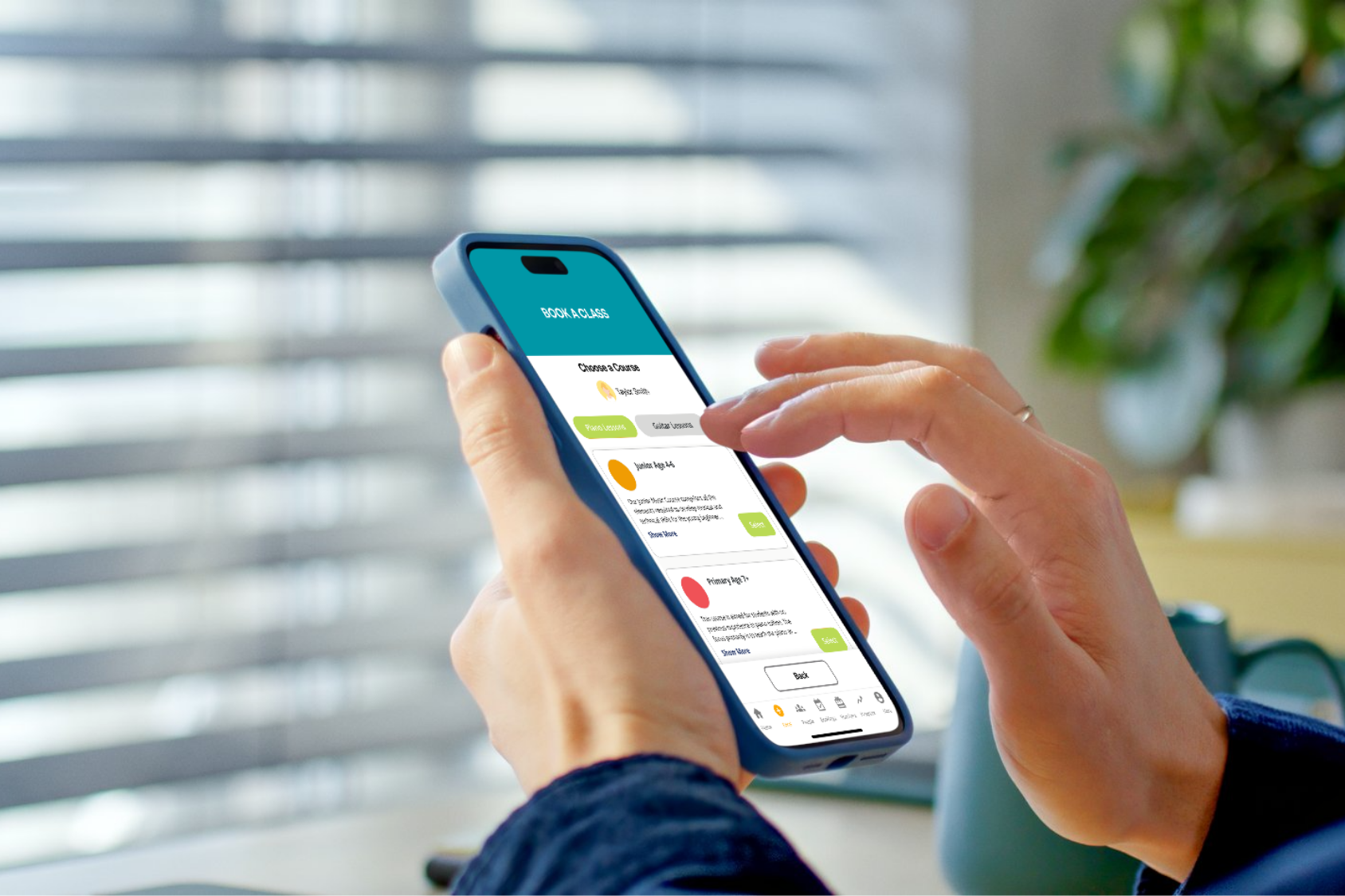
Running a fitness studio or wellness business means juggling endless scheduling tasks, booking confirmations, and administrative headaches. Automated class scheduling software transforms this chaos into a streamlined system that works 24/7, letting you focus on what matters most—your clients and classes.
How many hours last week did you spend playing calendar Tetris? You know the drill, moving classes around, checking availability, calling clients about changes, and somehow still ending up with double bookings that make everyone frustrated. If running your business feels more like solving a never-ending puzzle than teaching classes, it’s time for a change.
The good news is that automated class scheduling software can transform this daily chaos into a smooth, hands-off system that works around the clock. Let’s dive into how automating your booking system can revolutionise your business operations.
The Real Cost of Manual Scheduling
Before we explore solutions, let's talk about what manual scheduling is actually costing you. It's not just the obvious time spent juggling calendars and fielding booking calls.
- Time Drain: The average small business owner spends about 36% of their work week on admin. That's over 14 hours in a standard 40-hour workweek. Nearly two full days lost to paperwork, scheduling, and manual tasks. Imagine what you could do with what time instead: teaching more classes, growing your business, or simply enjoying life outside of work.
- Human Error: Double bookings, forgotten cancellations, and scheduling conflicts create frustrated clients and damage your professional reputation. When you're managing everything manually, mistakes are inevitable.
- Lost Revenue: How many potential bookings slip through the cracks because you couldn't respond immediately to enquiries? Manual systems mean missed opportunities, especially outside business hours.
- Client Frustration: Nobody enjoys playing phone tag to book a yoga class. Modern clients expect instant, convenient booking options that fit their busy lifestyles.
What Automated Scheduling Actually Means
When we talk about automating your class bookings, we're not suggesting you hand over control to robots. Instead, think of it as having a super-efficient virtual assistant that never sleeps, never makes mistakes, and always knows your exact availability.
Here's what a proper automated scheduling system handles for you:
- 24/7 Booking Capability: Your clients can book classes at midnight, during their lunch break, or whenever inspiration strikes. No more losing bookings because your phone was switched off.
- Intelligent Conflict Prevention: The system automatically prevents double bookings and manages capacity limits. If your Pilates class is full, it'll suggest alternative times or add clients to a waiting list.
- Automated Communications: Smart emails and SMS messages keep you connected with your community, celebrating birthdays, handling payment notifications, and following up on missed classes without any manual effort.
- Waitlist Management: When classes fill up, clients can join waitlists with a single click. Your staff can then easily manage these waitlists and contact the next person when a spot becomes available.
- Progress Tracking: Give your parents the option to
- Payment Integration: Combine scheduling with payment processing so clients can book and pay in one seamless transaction. This eliminates the awkward money-handling conversations and ensures you're paid upfront. Businesses that integrate scheduling and payments increase bookings by up to 35%, with faster checkout and fewer cancellations.
- Multi-Location Support: Running classes at different venues? No worries. Modern systems handle multiple locations, different pricing structures, and varying capacity requirements all from one dashboard.
The Client Experience Revolution
Your clients will absolutely love the convenience of automated bookings. They can browse your full schedule, see exactly what's available, and book their favourite spots without waiting for business hours.
The system can also remember their preferences, suggest suitable classes, and even handle membership packages automatically. Regular clients particularly appreciate being able to book their usual weekly slots with just a few clicks.
For new clients, online booking removes barriers to entry. They can explore your offerings, check prices, and book their first class without the intimidation of calling an unfamiliar business.
Implementation Without the Headaches
Worried about the technical complexity? That's completely understandable, but modern scheduling software is designed with business owners in mind, not IT experts. The best systems offer intuitive setup processes, comprehensive training, and ongoing support that makes the transition surprisingly smooth.
Starting with core features makes the most sense for most studios. Focus initially on basic booking and scheduling functions, then gradually add advanced features like integrated payment processing and automated marketing campaigns once you're comfortable with the system. Many successful studios run automated and manual systems side by side during the transition period, which reduces stress and allows for thorough testing before fully committing.
Your team will adapt quickly too. Modern systems prioritise user-friendly interfaces, and most staff members grasp the essential functions within a day or two of hands-on use. The time invested in initial training pays dividends immediately through reduced errors and increased efficiency.
Making the Switch
The hardest part about automating your scheduling is often just making the decision to start. The technology is proven, affordable, and designed specifically for class-based businesses like yours.
Focus on what you do best (creating amazing classes and building client relationships) and let us handle the scheduling complexity. Your future self (and your clients) will thank you for making the switch.
Ready to reclaim those lost hours and eliminate scheduling stress? Book your free consultation to see how automated scheduling can transform your business operations.
FAQs
Pressing questions? Check out our most-asked questions
When your timetable sits at 85 to 90% capacity across most slots, your margins have held for 12 to 18 months and your team can get through a week without you, you’re in a good position to start looking.
Fill the time slots you already have, add classes where waitlists build and keep families enrolled for longer. A second site makes sense once demand clearly spills past what one venue can hold.
Look at five things: demand, competition, local demographics, access and operating costs. Together they tell you whether enough families nearby want what you offer and can get to you, and whether the site can pay its way while it fills up.
Plan for 6 to 12 months of operating capital on top of your setup costs. That gives the new site time to find its feet without pulling cash from the first.
Give it time before you call it. A new site usually needs a few terms to fill, and slow early numbers are normal. If it’s still struggling after that, its own budget will show you whether the issue is the location, the timetable or the cost of running it. Your 6 to 12 months of operating capital is what stops a slow second site from pulling down the first. It’s also worth asking about exit or break clauses before you sign the lease, so you have a way out if you need one.

